 |
  |
 |
published: September 20, "1990" About A Band Of Gypsys |
 What's New & PreviewsJimi's Prediction — A Remote ViewAbout Jimi HendrixTimeline BlogAsteroid ImpactEvolutionWoodstockBluesJimi Code VS. Da Vinci CodeCredit Thefts Missile Agency/Moon Base CharadeRemote View MutationSeattlelandCensorship EventsSkewed ScienceSearch Engine Rankings Download An AdAT&T: New NurembergWall(y)flower SyndromeRochester MediaDVD/CD StoreMore Links...  Page 3 of 4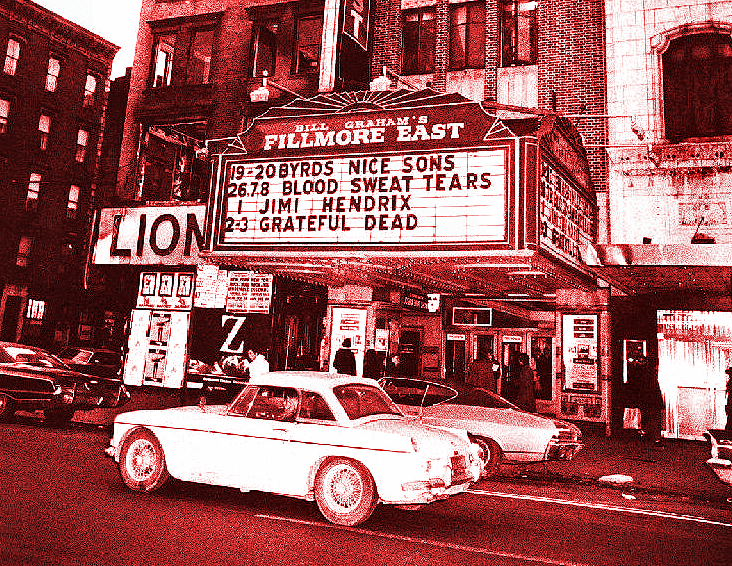 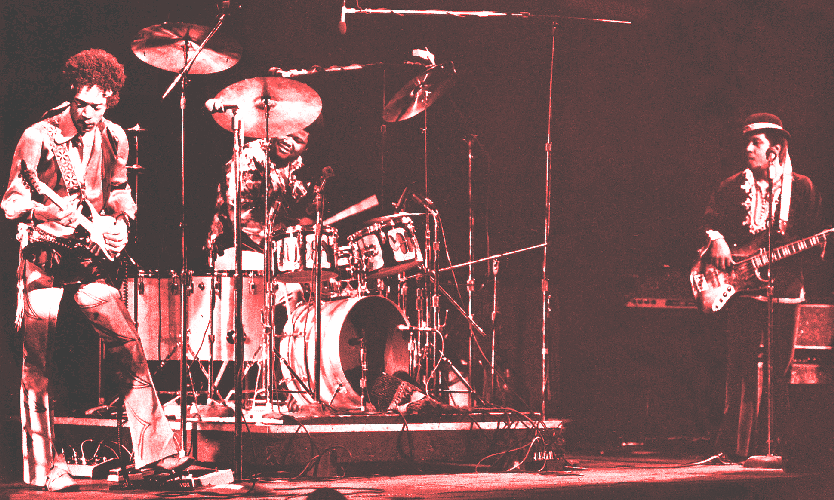 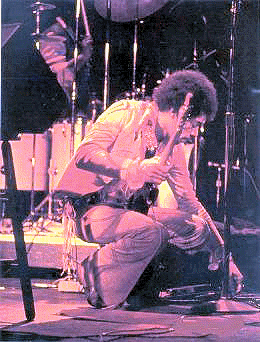 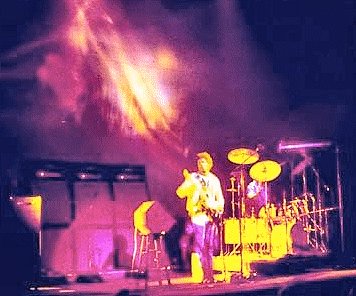 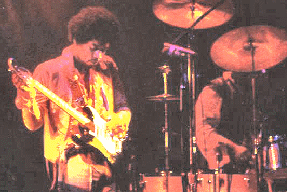 Graham was actually very fond of Hendrix and the two of them shared a great deal of respect for each other. However, the recordings and videos of the BOG at the Fillmore East do not support Graham's account of what took place on stage. 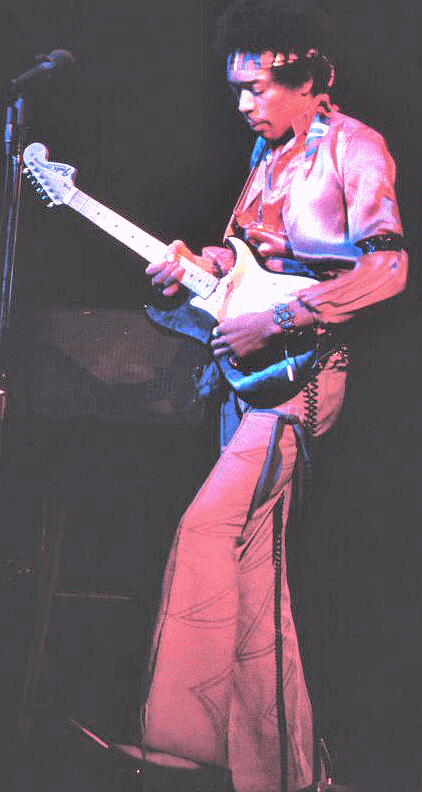 The controversy surrounds the musical quality of the first BOG show on Dec. 31, 1969. Contrary to Graham's account, the recording from that show reveals not a single note played by Hendrix with his teeth. But more importantly, there is no lapse in Hendrix's consistently brilliantly guitar phrasings whatsoever. If Hendrix performed visual gyrations during that first show, they were few and extremely limited. This very first BOG concert was the only one where Hendrix refrained from playing familiar Experience hits. The recording of it reveals music either too complex or too well formed to have accommodated a lot of guitar humping. Whatever contorted playing postures Hendrix did strike certainly did not subtract from the awe-inspiring perfection of this music! 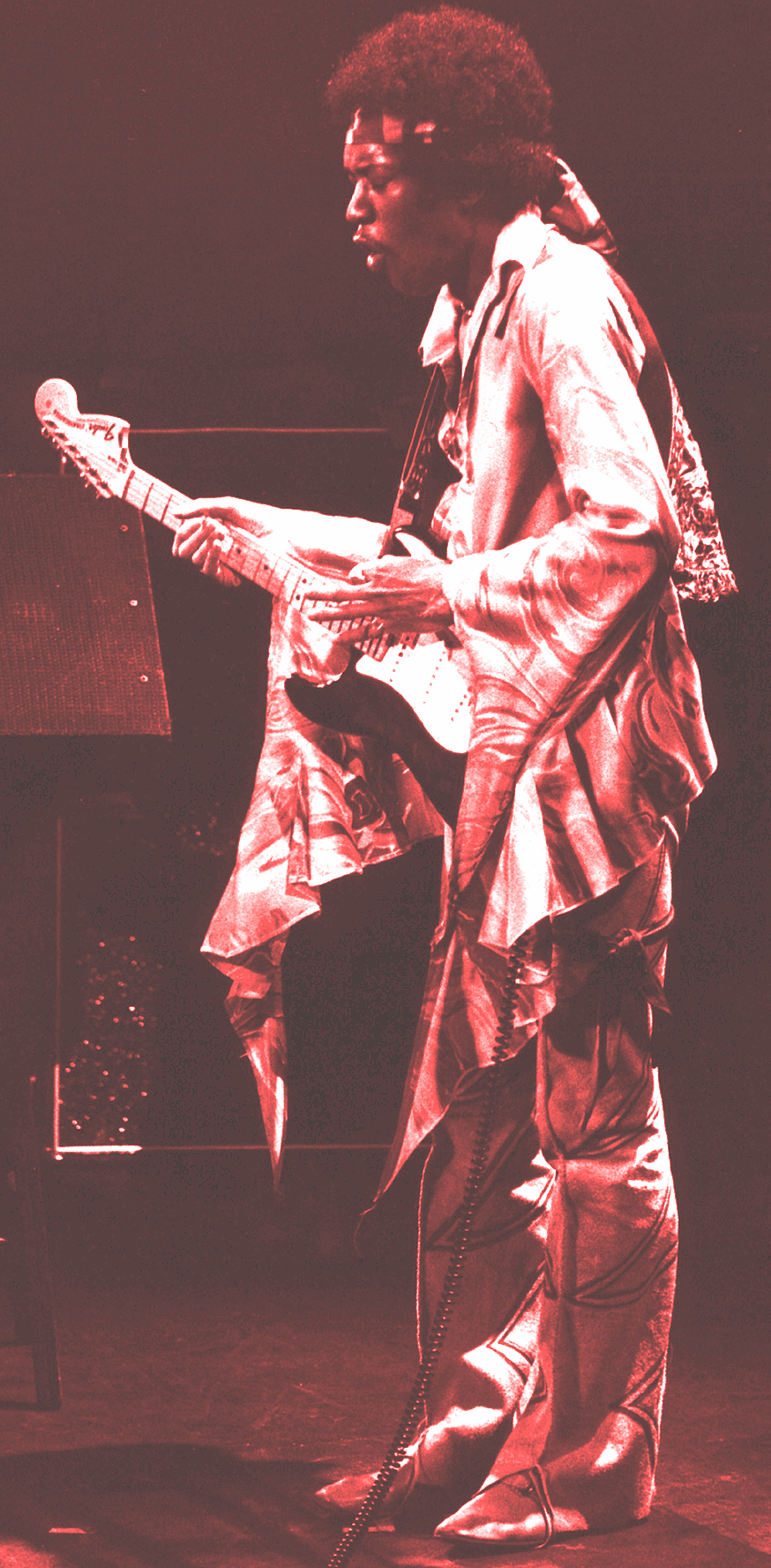 The whole tenor of the first show was one of leaving the past Experience image behind. Unlike the later shows, Hendrix remained in tune throughout the first concert and stumbled not once with his music. This is also the only one of the four shows to contain a formal blues (Peoples, Peoples, Peoples aka Bleeding Heart), along with a second blues jam, Hear My Train Comin', so Graham really should not have had anything to complain about. Each of the next three shows reached beautiful peaks (the 1970 BOG LP cuts were taken from parts of the two shows on Jan. 1, 1970), but these shows also each contain out-of-tune guitar work and faltering sections (not included on the album). It is during the very last of the four shows that wild gestures are clearly heard in the music (Hendrix reportedly laid it on thick for Graham's amused benefit). The point is that the very first BOG concert, when compared song for song with the later three shows, is in fact the tightest, most exuberant and (as a whole) arguably the best of all four performances. So when were Graham's criticisms justified and what were their effect on Jimi other than probably bumming him out after a dynamite show? Hendrix had a natural and phenomenal ability to tailor his wildest stage theatrics to coherently expressive music. Because he displayed such a range of talents it was inevitable that some people would be enraptured with a single aspect of it (such as blues) and dismiss the rest as a mere obstacle (or "shuck") to the favored aspect.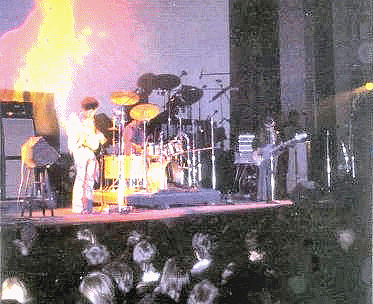 Bleeding Heart - Jimi's Blues at Fillmore East "Stop" - Best Version AUDIO: Stop - 1st Show, Dec. 31, 1969(5:18 .mp3 file 9.7 MB) - the best version of three at Fillmore East AUDIO: Earth Blues - 1st Show, Dec. 31, 1969 (5:40 .mp3 file 10.3 MB) - the best version of three at Fillmore East Burning Desire - Best of Two Versions at Fillmore East AUDIO: Burning Desire - 1st Show, Dec. 31, 1969 (9:27 .mp3 file 17.3 MB) - the best version of two at Fillmore East [NOTE: The above audio recordings were made by someone in the audience with a tape recorder. But the sound quality is good enough to determine that these song versions, and the first Band Of Gypsys show at Fillmore East as a whole, are significantly better formed and more fluid than the later versions/shows. It's also significant to realize how the "official" released versions of Band Of Gypsys music are almost all from the later shows when Jimi played with less forcus and concentration. While I was at the Hendrix company working on putting together a box set of Band Of Gypsys performances, we were careful to draw much of it from this first show. But the bogus harrassment lawsuit funded by Microsoft's Paul Allen was designed to silence me.  The result is that just one of the Gypsys first show songs is available today - even on YouTube collectors are mostly careful to prevent music from the first show from being uploaded, because they know from my writings in the 1980s and '90s that I've pointed out the differences between the four concerts, and, like their pig leader Paul Allen, they're determined that as few as possible ever get a chance to see that I'm correct. Can we believe how insane these freaks are? to suppress the best of Hendrix music out of pathological resentment over my insights on Jimi? It sheds light on why humans aren't able to do anything about asteroids, if Rock Prophecy hadn't been persecuted, enough people would've known 15 years ago that asteroid defense had to be top priority. Instead, these vermin today say, "If an asteorid hits, it's our humble destiny." No, delusional lunatic, we HAD a chance to defend against it, and it is specifically due to attitudes like you that we lost everything to extinction. And then these teeny freaks start feeling of consequence, like little Hitlers who blew up the world just to kill time on their lunch hour...] How insipid it is that Rolling Stone put down this music saying the songs "sounded like Purple Haze...the lingering feeling that he has failed to grow." Melody Maker chimed in, calling Jimi's futuristic funk "old fashioned." (!?)"You wouldn't know the difference anyway, those of you who forgot your ear goggles." - Jimi Steppingstone Band of Gypsys - Midnight Show - Dec. 31, 1969 |
| © 1990 First Century Press. All Rights Reserved. Contact Us |
